

Eating disorder support close to home in Newcastle
Reaching out for support with an eating disorder can feel like a big step. You may have been struggling with food, eating or body image for some time, or perhaps you’ve recently noticed changes in yourself or someone you care about.
At Myrtle Oak Clinic, our psychologists and Accredited Practising Dietitians support children, teenagers, adults and families experiencing eating disorders and difficulties with food and eating.
Our Newcastle clinic is located in Broadmeadow, providing a welcoming space for people across Newcastle, Lake Macquarie and the Hunter region to access individualised psychology and dietetic care. We also offer telehealth appointments.
We understand that eating disorders can affect many aspects of life, including physical health, emotional wellbeing, relationships and everyday routines. Our team works collaboratively to understand your experiences, identify your needs and provide support that feels right for you.
Whether you’re seeking support for the first time, returning to treatment or looking for a different approach, we’re here to help.
Call our friendly client care team on (02) 4362 3443 to talk about getting started.
Courage. Confidence. Balance.

Courage
Reaching out for support takes courage, especially when food, eating or body image have become a source of distress. We provide a compassionate, understanding environment where you can feel heard, respected and supported as you take the next steps.

Confidence
Build confidence in your relationship with food, eating and your body. Through individualised psychology and nutrition support, we help you develop practical strategies, strengthen self-trust and feel more confident navigating everyday challenges.

Balance
Eating disorders can affect your thoughts, emotions, physical health and daily life. Our collaborative approach supports you to establish more flexible eating patterns, improve nutritional wellbeing and make space for the things that matter to you.
Eating disorder psychologists and dietitians in Newcastle
At Myrtle Oak Clinic, we bring psychology and dietetic care together to provide coordinated support for people experiencing eating disorders.
Our team includes Registered Psychologists, Clinical Psychologists and Accredited Practising Dietitians with experience in eating disorder treatment.
Eating disorders can involve complex relationships between physical health, nutrition, emotions, thoughts and behaviours. Having access to both psychology and dietetic support allows us to address these different aspects of your experience.
Our psychologists support you to explore the thoughts, emotions and behaviours that may be contributing to your eating difficulties. Therapy can help you develop new ways of responding to challenges, improve your relationship with food and body image, and build skills that support recovery.
Our dietitians provide individualised nutrition care to support physical health, nutritional adequacy and a more comfortable relationship with eating. This may include establishing regular eating patterns, managing food-related anxiety, increasing food variety and developing practical strategies for everyday meals.
Our clinicians communicate and collaborate throughout treatment, with your consent, to help ensure your care remains coordinated. We can also work alongside your GP, psychiatrist, paediatrician or other healthcare professionals involved in your care.
Depending on your needs, you may see a psychologist, dietitian or both. Our client care team can help you explore which support may be most appropriate.
Learn more about our services:
Eating disorders and eating difficulties we support
Eating disorders can affect people of all ages, genders, body sizes and backgrounds. Everyone’s experience is different, and eating difficulties can present in many ways.
Our Newcastle team supports people experiencing:
- Anorexia Nervosa: Restrictive eating, fear around weight gain and difficulties relating to food, weight and body image.
- Bulimia Nervosa: Experiences of binge eating and compensatory behaviours, often accompanied by distress, guilt or shame.
- Binge Eating Disorder: Recurrent episodes of binge eating, feeling a loss of control around food and experiencing distress about eating.
- Avoidant/Restrictive Food Intake Disorder (ARFID): Restricted food variety or intake associated with sensory sensitivities, fear of adverse consequences of eating or limited interest in food.
- Other Specified Feeding or Eating Disorders (OSFED): Eating difficulties that cause significant distress or impairment and may not meet the full criteria for another eating disorder diagnosis.
- Orthorexic eating behaviours: Rigid food rules, preoccupation with eating in a particular way and anxiety or distress when these rules cannot be followed.
- Body image concerns and disordered eating: Distressing thoughts about food, weight or body image, restrictive eating, food guilt, compulsive exercise or other patterns affecting everyday life.
You don’t need to have a formal eating disorder diagnosis to reach out for support.
If your relationship with food, eating or your body is causing distress, affecting your health or making everyday life more difficult, our team can help you explore what’s happening and what support may be useful.
Eating disorder support for children, teenagers and adults
Children and teenagers
Eating difficulties in children and teenagers can affect growth, development, physical health, emotional wellbeing and family life.
We support young people experiencing eating disorders, restrictive eating, ARFID, food anxiety and body image concerns.
Our clinicians work collaboratively with young people and their families, recognising the important role parents and carers can play in treatment and recovery.
Support is tailored to the young person’s developmental stage, individual needs and family circumstances.
Adults
Eating disorders can develop at any age, and many adults have experienced challenges with food, eating or body image for years before seeking support.
Our psychologists and dietitians work with adults experiencing eating disorders, disordered eating and difficulties with their relationship with food or body.
We recognise that recovery looks different for everyone. Our approach considers your experiences, goals, health needs and everyday circumstances, helping you develop strategies that are practical and meaningful for your life.
Our approach to eating disorder recovery
At Myrtle Oak Clinic, we recognise that eating disorder treatment needs to consider the whole person.
Our clinicians use evidence-informed approaches and tailor treatment to your individual circumstances, preferences and goals.
We are committed to providing care that is compassionate, trauma-informed, weight-neutral and neurodiversity-affirming.
We understand that food and eating difficulties can be influenced by many factors, including mental health, sensory experiences, physical health, relationships and life circumstances.
Treatment may involve supporting nutritional rehabilitation, reducing distress around food, developing more flexible eating behaviours, exploring body image concerns and strengthening emotional coping skills.
We also recognise the importance of collaboration, choice and working at a pace that considers your individual needs and clinical safety.
Our aim is to help you feel more supported in your relationship with food and eating, while building the confidence and skills to participate more fully in everyday life.
Meet our Newcastle eating disorder team
Our Broadmeadow clinic is home to psychologists and Accredited Practising Dietitians who provide eating disorder and mental health support.
Our clinicians bring different professional experiences and therapeutic approaches, allowing us to consider your individual needs when matching you with a team member.
Katherine, Liana and Clare see clients at both our Tuggerah and Broadmeadow clinics through the week, in person or by telehealth.
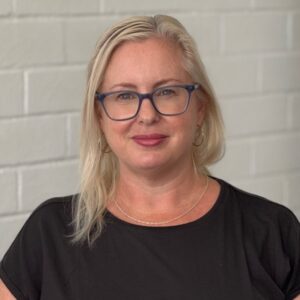
Dr Katherine Bartlett
Clinical Psychologist
Katherine works with children, teens and adults, using therapies such as CBT-E and Maudsley Family Based Therapy.
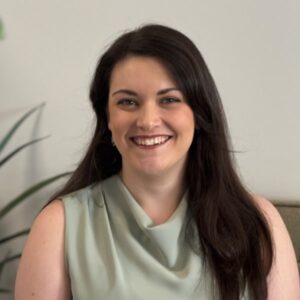
Liana Johnstone
Accredited Practising Dietitian and Credentialed Eating Disorder Clinician
Liana takes a Health at Every Size approach and offers neuro-affirming, inclusive care.
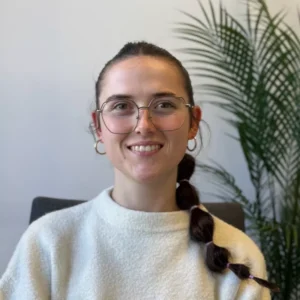
Clare Rorani
Accredited Practising Dietitian
Clare’s interests include eating disorders, body image and adolescent mental health.
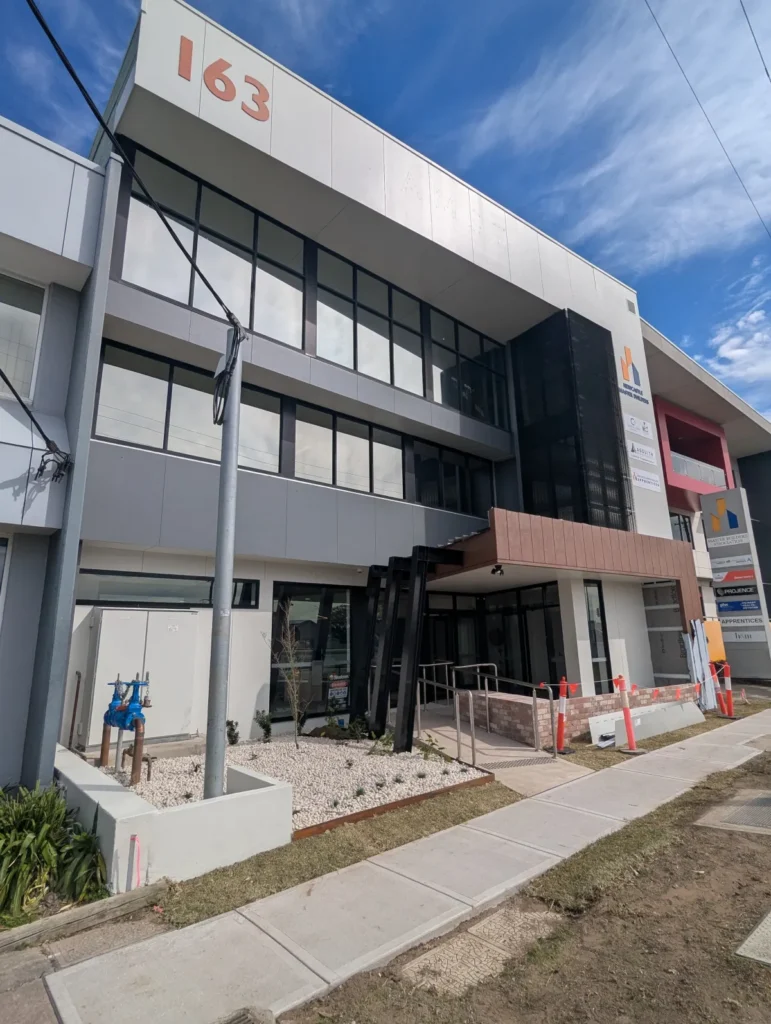
Visiting our Broadmeadow clinic
Our Newcastle consulting rooms are conveniently located in Broadmeadow, supporting people travelling from across Newcastle, Lake Macquarie and surrounding Hunter communities.
Address: Level 2, 163 Lambton Road, Broadmeadow NSW 2292
Phone: (02) 4362 3443
Opening hours: Monday to Friday, 9am to 5pm
Getting here: Enter from Lambton Road, where a small ramp leads into the glass foyer, then take the lift to Level 2. Street parking is available on Lang Road. There is one accessible parking space at the rear of the building, reached by the laneway behind the emergency vet on Lang Road. Please call at least two hours ahead to book it. We’re next to the Master Builders Association and the blood bank, near the corner of Lambton and Bridge Roads. Broadmeadow accessibility information
We also offer telehealth appointments for people who prefer to attend from home or have difficulty travelling to the clinic.
If you’re located on the Central Coast, you can also access support at our Tuggerah clinic.
What to expect when you contact Myrtle Oak Clinic
We understand that making an appointment can feel unfamiliar, particularly if this is your first experience accessing eating disorder treatment.
Our client care team is here to make the process as straightforward and welcoming as possible.
When you first reach out
You can contact us directly or be referred by your GP or another healthcare professional.
Our client care team will ask some initial questions to understand your concerns, the support you’re seeking and any preferences you may have.
This helps us identify an appropriate clinician and explain the next steps.
Your first appointment
Your initial appointment is generally 60 minutes and may take place at our Broadmeadow clinic or via telehealth.
Your clinician will spend time getting to know you, understanding your experiences and discussing your concerns and goals.
Together, you’ll explore recommendations for ongoing treatment, including whether psychology, dietetic care or a combination of both may be beneficial.
Ongoing appointments
The frequency of appointments depends on your individual needs and treatment plan.
Some people benefit from weekly appointments, particularly during the early stages of treatment, while others may attend fortnightly or at different intervals.
Your clinician will work with you to review your progress and adjust support as your needs change.
Fees, Medicare and other funding
Myrtle Oak Clinic is a private billing service.
Eligible clients may be able to access Medicare rebates for psychology and dietetic appointments through an Eating Disorder Treatment and Management Plan or other relevant referral arrangements.
Private health insurance rebates may also be available, depending on your cover and the services provided.
We can support eligible self-managed and plan-managed NDIS participants where the proposed services are appropriate and consistent with their funding arrangements.
Our client care team can explain appointment fees, payment options and relevant referral requirements before you attend.
Find your path to support

Let’s talk
Contact our friendly client care team. We’ll ask a few questions, listen to your concerns and help you understand the available options for eating disorder support.

Let’s create a plan
Meet with your psychologist or dietitian to discuss your experiences, needs and goals. Together, you’ll develop a plan for ongoing care.

Let’s work together
Through regular appointments, practical strategies and ongoing guidance, our team will support you to navigate challenges, build confidence and work towards your recovery goals.
Ready to reach out?
Call us on (02) 4362 3443 or contact our team online.
Frequently asked questions about eating disorder treatment in Newcastle
You can contact our client care team on (02) 4362 3443 or complete the enquiry form on our website.
Our team will ask some initial questions about the support you’re seeking and help match you with an appropriate clinician.
You can contact Myrtle Oak Clinic directly to enquire about appointments.
A referral is generally required if you wish to access Medicare rebates. Depending on your circumstances, this may involve an Eating Disorder Treatment and Management Plan or another eligible Medicare referral pathway.
Your GP can discuss the most appropriate referral options with you.
Yes. Myrtle Oak Clinic provides access to both psychology and dietetic support.
Depending on your needs, you may benefit from working with one or both disciplines. Our clinicians can collaborate to help coordinate your care.
Yes. Our team supports children, teenagers and families experiencing eating disorders, ARFID, restrictive eating and other food-related difficulties.
Treatment considers the young person’s age, development, nutritional needs and family circumstances.
Yes. You can reach out if you’re concerned about your relationship with food, eating or body image, even if you haven’t received a formal diagnosis.
Our clinicians can help assess your concerns and discuss appropriate support.
Yes. You’re welcome to discuss bringing a parent, partner, carer or another trusted support person to your appointment.
For children and teenagers, parents or carers may be involved in treatment depending on the young person’s needs and the recommended approach.
Eating disorders can have significant physical health impacts, even when changes are not immediately visible.
If you’re concerned about your physical health, we recommend arranging a medical assessment with your GP. Your GP can assess your medical needs and help coordinate care with our clinicians.
If you experience dizziness, fainting or heart palpitations, or any other medical emergency, call 000 or go to your nearest emergency department straight away.
Yes. Telehealth appointments are available for people who prefer to access support remotely or cannot easily travel to our Broadmeadow clinic.
Our team can help determine whether telehealth is appropriate for your circumstances.
Eating disorder support in Newcastle. We’re here to help.
Whether you’re seeking support for yourself, your child or someone you care about, taking the first step can open the door to understanding what’s happening and finding a way forward.
At Myrtle Oak Clinic, our psychologists and dietitians are here to provide compassionate, individualised and coordinated eating disorder care.
Contact our Newcastle team on (02) 4362 3443 to find out how we can support you.