

Supporting your relationship with food, eating and body image
Food and eating are part of everyday life, yet for someone experiencing an eating disorder, they can become a source of anxiety, distress, conflict or exhaustion.
You might find yourself constantly thinking about food, feeling overwhelmed at mealtimes, following rigid eating rules or struggling with how you feel about your body. For parents and families, watching someone you care about experience these challenges can leave you feeling worried and unsure how best to help.
At Myrtle Oak Clinic on the Central Coast, our psychologists and Accredited Practising Dietitians provide individualised support for children, teenagers and adults experiencing eating disorders, disordered eating and body image concerns.
Located in Tuggerah, our clinic welcomes individuals and families from across the Central Coast, including Wyong, Gosford, Ourimbah, Terrigal, Woy Woy and surrounding communities.
We bring together psychological therapy and nutrition care, recognising the many ways eating disorders can affect physical health, emotional wellbeing, relationships and daily life.
Whether you’re concerned about changes in your own eating, seeking support for your child or looking to reconnect with treatment, our team can help you understand your options and find an appropriate place to begin.
Speak with our client care team on (02) 4362 3443.
Courage. Confidence. Balance.

Courage
It takes courage to talk about difficulties with food, eating or body image. We understand that these experiences can be deeply personal, and we create a supportive space where you can share your concerns without judgement or pressure.

Confidence
Feeling more confident around food and eating can take time. Our psychologists and dietitians help you develop understanding, practical skills and trust in your ability to navigate eating and everyday situations with greater flexibility.

Balance
Eating disorders can take up considerable time, energy and mental space. Our approach supports your nutritional and psychological wellbeing, helping you work towards a life where food and body concerns have less influence over your day.
Eating disorder treatment at our Tuggerah clinic
Eating disorders are complex conditions that can affect both physical and mental health. They can influence how someone thinks, feels and behaves around food, eating, exercise and their body.
At Myrtle Oak Clinic, our team includes Registered Psychologists, Clinical Psychologists and Accredited Practising Dietitians who provide eating disorder treatment and support.
Our clinicians recognise that each person brings their own experiences, challenges, strengths and goals to treatment.
Psychology support for eating disorders
Our psychologists work with people experiencing distressing thoughts, emotions and behaviours associated with eating disorders.
Psychological therapy may focus on understanding patterns of thinking and behaviour, addressing anxiety around eating, exploring body image concerns and developing strategies to manage difficult emotions and situations.
Treatment is informed by evidence-based psychological approaches and tailored to the individual’s needs, age and circumstances.
Dietitian support for eating disorders
Our Accredited Practising Dietitians help people understand and meet their nutritional needs while developing a more flexible and supportive relationship with food.
Dietetic treatment may include establishing consistent eating patterns, supporting nutritional rehabilitation, addressing food fears, reducing restrictive eating behaviours and building confidence with meals and snacks.
Our dietitians recognise that nutrition care needs to be practical, individualised and sensitive to each person’s experiences with food and eating.
Working together in your care
Psychology and nutrition care often complement one another during eating disorder treatment.
Our psychologists and dietitians can work collaboratively to support different aspects of recovery, sharing relevant information and coordinating treatment with your consent.
We also recognise the important role of medical care and can communicate with your GP, psychiatrist, paediatrician and other treating professionals.
Some people attend both psychology and dietitian appointments, while others may begin with one discipline. Our team can help you explore what support may be appropriate.
When food and eating become difficult
Eating disorders and disordered eating can look different from person to person. Some difficulties may be visible to others, while many are experienced privately.
You or someone you care about might be experiencing:
- Persistent thoughts or worries about food, eating, weight or body shape
- Restricting food intake, skipping meals or following increasingly rigid food rules
- Anxiety, guilt or distress before or after eating
- Episodes of binge eating or feeling a loss of control around food
- Compensatory behaviours, including purging or excessive exercise
- Avoidance of particular foods, textures or eating situations
- Difficulties eating enough to support growth, development or physical health
- Withdrawal from social occasions involving food
- Changes in mood, concentration, energy or daily functioning associated with eating difficulties
These experiences can occur across different eating disorder diagnoses, and some people may experience significant distress without having a formal diagnosis.
Our team provides support for:
Anorexia Nervosa, Bulimia Nervosa, Binge Eating Disorder, Avoidant/Restrictive Food Intake Disorder (ARFID), Other Specified Feeding or Eating Disorders (OSFED), disordered eating, orthorexic eating behaviours and body image concerns.
You can reach out whenever concerns about food, eating or body image are affecting your wellbeing.
Eating disorder support for children and teenagers on the Central Coast
When a child or teenager begins experiencing difficulties with eating, it can affect the whole family.
Parents and carers may notice changes in food preferences, increasing anxiety at mealtimes, reduced food intake, rigid eating behaviours or growing concerns about body image.
Sometimes these changes happen gradually. At other times, families may feel that eating has become difficult almost overnight.
Our team works with children, teenagers and their families to understand what is happening and identify appropriate support.
We consider the young person’s nutritional needs, growth and development, emotional wellbeing, sensory experiences and family circumstances.
Depending on their needs, treatment may involve psychology, dietetic support, parent or carer involvement and collaboration with other healthcare professionals.
We aim to help families feel more informed and confident about how they can support their young person, while respecting each child’s individual needs.
Learn more about our child and teen eating disorder services
Support for adults experiencing eating disorders
Eating disorders can affect adults at any stage of life.
Some people seek help after recently noticing changes in their eating or body image. Others have lived with difficult eating patterns, food rules or body dissatisfaction for many years.
You may have previously received treatment, or you might be exploring support for the first time.
Our team understands that eating disorder recovery can be influenced by work, relationships, parenting, other health conditions and the demands of everyday life.
We take the time to understand how these factors interact with your eating difficulties and develop treatment recommendations that consider your individual circumstances.
Our approach is collaborative, compassionate and focused on helping you build practical skills, improve nutritional wellbeing and develop a more comfortable relationship with food and your body.
Understanding ARFID and other restrictive eating difficulties
For some people, eating difficulties are closely connected to sensory sensitivities, fear of unpleasant experiences when eating or limited interest in food.
Avoidant/Restrictive Food Intake Disorder (ARFID) can affect children, teenagers and adults and may lead to restricted food variety, nutritional difficulties and significant challenges around everyday eating.
These experiences can affect family meals, school, work, social occasions and physical health.
Our psychologists and dietitians support people experiencing ARFID and other restrictive eating difficulties, taking into account sensory preferences, anxiety, nutritional needs and individual circumstances.
Our approach is neurodiversity-affirming and considers the person’s comfort, autonomy and needs when developing practical strategies.
We also work with parents and carers to help them better understand eating difficulties and identify supportive approaches to mealtimes.
A personalised approach to eating disorder care
We recognise that eating disorder recovery is rarely straightforward.
People may experience progress, setbacks, uncertainty and changing needs throughout treatment.
At Myrtle Oak Clinic, our clinicians provide evidence-informed, trauma-informed, weight-neutral and person-centred care.
We aim to understand the factors influencing your relationship with food and eating, while recognising your personal values, strengths and circumstances.
Treatment may involve developing more consistent eating patterns, addressing nutritional concerns, reducing anxiety around food, exploring difficult thoughts and emotions, and building skills to navigate everyday challenges.
We value open communication, collaboration and ensuring that you understand the purpose of your treatment.
Our team will work with you to establish meaningful goals and review your care as your needs evolve.
Meet our Central Coast eating disorder team
Our Tuggerah clinic brings together psychologists and Accredited Practising Dietitians who support people experiencing eating disorders and mental health concerns.
Each clinician brings their own professional experience, clinical interests and approach to treatment.
Our client care team can help you identify a clinician whose experience and availability align with your needs.
Katherine, Liana and Clare see clients at both our Tuggerah and Broadmeadow clinics through the week, in person or by telehealth.
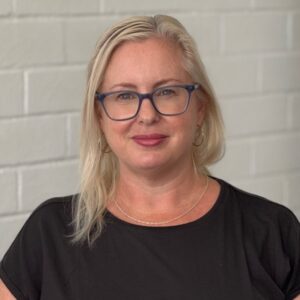
Dr Katherine Bartlett
Clinical Psychologist
Katherine works with children, teens and adults, using therapies such as CBT-E and Maudsley Family Based Therapy.

Liana Johnstone
Accredited Practising Dietitian and Credentialed Eating Disorder Clinician
Liana takes a Health at Every Size approach and offers neuro-affirming, inclusive care.
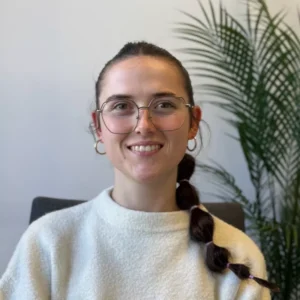
Clare Rorani
Accredited Practising Dietitian
Clare’s interests include eating disorders, body image and adolescent mental health.

Visit Myrtle Oak Clinic in Tuggerah
Our Central Coast clinic is located in Tuggerah Business Park, providing access to eating disorder psychology and dietitian services for individuals and families throughout the region.
We are situated opposite Reece Plumbing, approximately two minutes from the Tuggerah M1 motorway exit.
Clinic address: 17/19 Reliance Drive, Tuggerah NSW 2259
Phone: (02) 4362 3443
Opening hours: Monday to Friday, 9am to 5pm. Later appointments are available on Tuesdays, depending on clinician availability.
Parking and accessibility: We’re in Arc Business Village. Drive to the back of the building, where five parking spaces for our clients are right outside reception, under the Optimum Intake Dietitians and Myrtle Oak Clinic sign. The entrance is flat with no steps. Buses 26 and 47 stop at 19 Reliance Drive, about a minute’s walk away. If you need a wider parking space, please call at least two hours ahead. Tuggerah accessibility information
For those who prefer appointments from home or who live further away, telehealth appointments are also available where clinically appropriate.
We also have consulting rooms in Broadmeadow for people seeking eating disorder treatment in Newcastle.
Getting started with eating disorder support
Contacting our clinic
You can call our client care team or complete an enquiry through our website.
We will ask some questions about your concerns, the type of support you’re seeking and any relevant referrals or treatment plans.
This helps us understand your needs and identify an appropriate clinician.
Attending your first appointment
Your initial appointment is generally 60 minutes and provides an opportunity to discuss your experiences, health history, current concerns and goals.
Your psychologist or dietitian will explain their approach and work with you to consider recommendations for ongoing treatment.
For children and teenagers, parent or carer involvement will be discussed as part of the assessment and treatment planning process.
Planning ongoing care
Your clinician will recommend an appointment frequency based on your individual needs, health considerations and treatment goals.
Appointments may be weekly, fortnightly or arranged at other intervals depending on the level of support required.
Where appropriate, your treatment may involve both psychology and dietetic appointments, alongside medical monitoring and other healthcare support.
Appointment fees and Medicare rebates
Myrtle Oak Clinic is a private billing service.
Medicare rebates may be available for eligible clients with an appropriate referral or treatment plan, including an Eating Disorder Treatment and Management Plan.
Private health insurance rebates may also apply depending on your cover and eligibility.
We may also provide relevant services to eligible self-managed and plan-managed NDIS participants where the supports are consistent with their funding arrangements.
Our client care team can explain our current fees, payment options and referral requirements before your appointment.
Find your path to support

Let’s talk
Reach out to our client care team. We’ll listen to your concerns, answer your initial questions and help you explore the support available at Myrtle Oak Clinic.

Let’s create a plan
Your first appointment is an opportunity to meet your clinician, discuss what’s been happening and identify appropriate treatment goals and recommendations.

Let’s work together
Through ongoing appointments and collaborative care, we’ll support you to develop practical strategies, navigate challenges and work towards meaningful changes in your relationship with food and eating.
Frequently asked questions about eating disorder treatment on the Central Coast
Myrtle Oak Clinic provides eating disorder psychology and dietitian services from our Tuggerah clinic.
We support children, teenagers, adults and families from across the Central Coast, including Wyong, Gosford, Ourimbah and surrounding communities.
Telehealth appointments are also available where appropriate.
You can contact us if you have concerns about your child’s eating, food variety, mealtime anxiety, nutritional intake or body image, even if they haven’t received a formal diagnosis.
Our team can help you understand the available services and whether further medical assessment or referral is recommended.
Yes. Depending on your individual needs, you may attend dietitian appointments, psychology appointments or both.
Our client care team can help identify an appropriate starting point, and your clinician can discuss whether additional support may be beneficial.
Family involvement can be an important part of eating disorder care, particularly for children and teenagers.
For adults, partners, family members or other support people may also be involved where appropriate and with your consent.
Your clinician can discuss how family involvement might support your treatment.
Eligible clients may be able to access Medicare rebates through an Eating Disorder Treatment and Management Plan or another appropriate Medicare referral pathway.
Your GP can help determine your eligibility and discuss relevant referral options.
Our client care team can also explain the fees and rebates associated with your appointments.
Eating disorders can affect physical health in serious ways, and medical monitoring may be an important part of treatment.
If you are concerned about your physical health or that of someone you care for, please arrange an assessment with your GP.
If you experience dizziness, fainting or heart palpitations, or any other medical emergency, call 000 or go to your nearest emergency department straight away.
Yes. Our Tuggerah clinic welcomes clients from throughout the Central Coast, and telehealth appointments are available where clinically appropriate.
We can discuss appointment options that suit your circumstances.
Eating disorder support on the Central Coast
Finding support for an eating disorder can begin with a conversation.
Whether you are concerned about your own eating, looking for support for your child or seeking care after previous treatment, our team is here to listen and help you explore the next steps.
At Myrtle Oak Clinic in Tuggerah, our psychologists and dietitians provide individualised care that considers your physical health, emotional wellbeing and relationship with food.
Call (02) 4362 3443 to speak with our client care team, or send us an enquiry online.